

Hey there! As a nickel alloys supplier, I often get asked about the electroplating process for nickel alloys. It's a fascinating topic that plays a crucial role in enhancing the performance and durability of these alloys. So, let's dive right in and explore what the electroplating process for nickel alloys is all about.
What are Nickel Alloys?
First off, let's briefly talk about nickel alloys. Nickel alloys are a group of metals that contain nickel as the primary element, along with other elements like chromium, iron, molybdenum, and copper. These alloys are known for their excellent corrosion resistance, high-temperature strength, and good mechanical properties. They are widely used in various industries, including aerospace, chemical processing, marine, and electronics.
Some popular nickel alloys that we supply include Incoloy Alloy 825 Seamless Pipe, Inconel 925, and Nickel 600. Each of these alloys has its own unique properties and applications, but they all can benefit from the electroplating process.
The Basics of Electroplating
Electroplating is a process that uses an electric current to deposit a thin layer of metal onto a substrate. In the case of nickel alloys, electroplating is often used to improve the surface properties of the alloy, such as corrosion resistance, wear resistance, and appearance.
The electroplating process involves three main components: an anode, a cathode, and an electrolyte solution. The anode is the source of the metal that will be deposited, the cathode is the substrate (in this case, the nickel alloy), and the electrolyte solution contains metal ions that will be deposited onto the cathode.
Here's a step-by-step breakdown of the electroplating process:
- Surface Preparation: Before electroplating, the surface of the nickel alloy needs to be thoroughly cleaned and prepared. This involves removing any dirt, grease, or oxide layers from the surface. This can be done through a variety of methods, such as degreasing, pickling, and polishing.
- Setup of the Electroplating Cell: The nickel alloy (cathode) and the anode are placed in the electrolyte solution. The anode is typically made of the metal that will be deposited, such as nickel. The two electrodes are connected to a power source, which provides the electric current needed for the plating process.
- Electroplating Process: When the electric current is applied, metal ions from the anode dissolve into the electrolyte solution. These ions are then attracted to the cathode (nickel alloy) and deposited onto its surface, forming a thin layer of metal. The thickness of the deposited layer can be controlled by adjusting the current density and the plating time.
- Post-Plating Treatment: After the electroplating is complete, the plated nickel alloy is removed from the electrolyte solution and rinsed thoroughly to remove any residual electrolyte. It may also undergo additional treatments, such as heat treatment or passivation, to improve the properties of the plated layer.
Types of Nickel Alloy Electroplating
There are several types of electroplating processes that can be used for nickel alloys, depending on the desired properties and applications. Here are some common types:
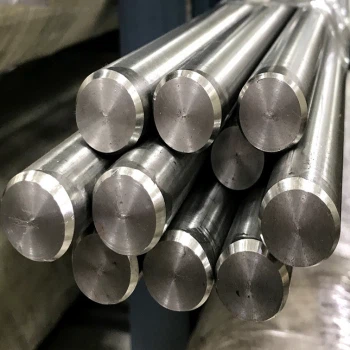

- Pure Nickel Plating: This involves depositing a layer of pure nickel onto the nickel alloy. Pure nickel plating provides good corrosion resistance and a smooth, shiny surface. It is often used in applications where appearance and corrosion protection are important, such as in decorative applications or in the electronics industry.
- Nickel-Cobalt Plating: Nickel-cobalt plating combines the properties of nickel and cobalt to provide enhanced hardness and wear resistance. This type of plating is commonly used in applications where high wear resistance is required, such as in the aerospace and automotive industries.
- Nickel-Phosphorus Plating: Nickel-phosphorus plating is known for its excellent corrosion resistance and non-stick properties. It is often used in applications where corrosion protection and low friction are important, such as in the food processing and chemical industries.
Advantages of Electroplating Nickel Alloys
Electroplating nickel alloys offers several advantages, including:
- Improved Corrosion Resistance: The plated layer acts as a barrier between the nickel alloy and the environment, protecting it from corrosion. This is especially important in harsh environments, such as marine or chemical processing applications.
- Enhanced Wear Resistance: Electroplating can increase the hardness and wear resistance of the nickel alloy, reducing the rate of wear and extending the lifespan of the component.
- Better Appearance: Electroplating can give the nickel alloy a smooth, shiny surface, improving its aesthetic appeal. This is useful in applications where appearance is important, such as in consumer products or decorative items.
- Increased Electrical Conductivity: In some cases, electroplating can improve the electrical conductivity of the nickel alloy, making it suitable for use in electrical and electronic applications.
Applications of Electroplated Nickel Alloys
Electroplated nickel alloys are used in a wide range of applications, including:
- Aerospace Industry: In the aerospace industry, electroplated nickel alloys are used in components such as turbine blades, engine parts, and structural components. The improved corrosion and wear resistance of the plated alloys help to ensure the reliability and performance of these components in harsh operating conditions.
- Chemical Processing Industry: Electroplated nickel alloys are used in chemical processing equipment, such as pipes, valves, and reactors. The corrosion resistance of the plated alloys helps to prevent the equipment from being damaged by corrosive chemicals.
- Marine Industry: In the marine industry, electroplated nickel alloys are used in components such as propellers, shafts, and hulls. The corrosion resistance of the plated alloys helps to protect these components from the corrosive effects of seawater.
- Electronics Industry: Electroplated nickel alloys are used in electronic components, such as connectors, switches, and printed circuit boards. The improved electrical conductivity and corrosion resistance of the plated alloys help to ensure the reliable operation of these components.
Conclusion
In conclusion, the electroplating process for nickel alloys is a valuable technique that can significantly enhance the properties and performance of these alloys. Whether you're looking for improved corrosion resistance, wear resistance, or a better appearance, electroplating can provide the solution.
If you're interested in learning more about our nickel alloys or the electroplating process, or if you're looking to purchase nickel alloys for your specific application, feel free to reach out to us. We're here to help you find the right solution for your needs.
References
- Schlesinger, M., & Paunovic, M. (Eds.). (2010). Modern Electroplating. Wiley-Interscience.
- Mallory, G. O., & Hajdu, J. B. (Eds.). (1990). Electroless Plating: Fundamentals and Applications. AESF.


