

Hey there! As a supplier of UNS C17000 products, I've been in the game for quite a while, and I've seen my fair share of things when it comes to these beryllium copper alloys. Today, I'm gonna talk about the common defects you might run into with UNS C17000 products.
First off, let's get a bit of background. UNS C17000 is a high - strength, high - conductivity copper - beryllium alloy. It's used in a bunch of industries, like aerospace, electronics, and automotive, because of its excellent mechanical and electrical properties. But like any material, it's not perfect.

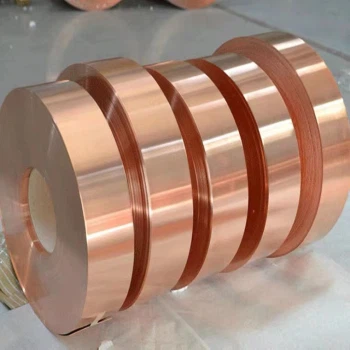
One of the most common defects is surface cracking. This can happen during the manufacturing process, especially during hot working or cold forming. When the alloy is being shaped, if the stress is too high or the temperature isn't right, cracks can form on the surface. These cracks can be a real pain because they can reduce the strength of the material and make it more prone to failure. Surface cracking can also affect the appearance of the product, which is a big deal if you're using it in a visible application.
Another issue is porosity. Porosity occurs when there are tiny holes or voids in the material. This can be caused by things like gas entrapment during casting or improper melting techniques. Porous areas in the UNS C17000 product can weaken the structure and make it less reliable. In some cases, it can also lead to corrosion problems because moisture and other corrosive substances can get into those pores.
Inclusions are also a common defect. Inclusions are foreign particles that end up in the alloy during the manufacturing process. These can be things like oxides, sulfides, or other non - metallic substances. Inclusions can act as stress concentrators, which means they can cause the material to fail at lower stress levels than it should. They can also affect the machinability of the product, making it harder to work with.
Now, let's talk about some of the more specific problems that can come up with different types of UNS C17000 products. For example, if you're dealing with wire or rod products, you might run into issues with uneven diameter. This can happen if the drawing process isn't properly controlled. An uneven diameter can cause problems when the wire or rod is being used in applications where a consistent size is crucial, like in electrical connectors.
When it comes to sheet and plate products, warping can be a major headache. Warping occurs when the material becomes bent or distorted. This can be due to residual stresses in the material from the manufacturing process, or it can happen during heat treatment if the temperature isn't evenly distributed. Warped sheets and plates can be difficult to install and can affect the performance of the final product.
One thing to keep in mind is that these defects aren't always obvious right away. Sometimes, they can develop over time due to factors like environmental conditions or repeated use. For example, corrosion can start as a small surface issue and gradually spread, weakening the material over time.
So, what can you do to avoid these defects? Well, as a supplier, we take a lot of steps to ensure the quality of our UNS C17000 products. We use advanced manufacturing techniques and strict quality control measures. For example, we carefully monitor the temperature and stress levels during the forming process to prevent surface cracking. We also use high - quality raw materials and proper melting techniques to reduce the risk of porosity and inclusions.
But even with all these precautions, it's still possible to run into some issues. That's why it's important to work with a reliable supplier who can provide you with detailed information about the product and offer support if you have any problems.
If you're interested in other related copper alloys, you might want to check out C17300 Beryllium Copper and C17500 Beryllium Copper. These alloys have their own unique properties and applications. And if you're looking for a more general copper option, UNS C11000 Copper is a great choice.
If you're in the market for UNS C17000 products or have any questions about the defects we've discussed, don't hesitate to reach out. We're here to help you find the right solution for your needs. Whether you're a small - scale manufacturer or a large - scale industrial user, we can work with you to ensure you get high - quality products that meet your requirements.
In conclusion, while UNS C17000 is a great material with many advantages, it's important to be aware of the common defects that can occur. By understanding these issues and working with a trusted supplier, you can minimize the risks and get the most out of this versatile alloy.
References
- "Copper and Copper Alloys Handbook"
- Industry reports on beryllium copper manufacturing and quality control


