

Hey there! As a supplier of nickel alloys, I've seen firsthand the amazing benefits these materials bring to the table. Nickel alloys are a game - changer in various industries, and I'm super excited to share their advantages with you.
First off, let's talk about corrosion resistance. Nickel alloys are like the superheroes of the metal world when it comes to standing up against corrosion. In environments where regular metals would quickly rust and deteriorate, nickel alloys hold their ground. For instance, in marine applications, where saltwater is constantly pounding on structures, nickel alloys can last for decades. They form a protective oxide layer on their surface, which acts as a shield against corrosive agents. This is crucial for things like shipbuilding, offshore oil rigs, and underwater pipelines. If you're in the business of building or maintaining structures in harsh, wet environments, using nickel alloys can save you a ton of money in the long run by reducing the need for frequent replacements and repairs.
Another huge advantage is high - temperature performance. Nickel alloys can handle extreme heat like a champ. In industries such as aerospace and power generation, where components are exposed to incredibly high temperatures, these alloys are a must - have. Jet engines, for example, operate at extremely high temperatures, and nickel alloys are used to make parts like turbine blades. Their ability to maintain strength and integrity at high temperatures ensures the safe and efficient operation of these engines. In power plants, nickel alloys are used in boilers and other high - temperature equipment. They can withstand the heat without deforming or losing their mechanical properties, which is essential for the reliable generation of electricity.
Strength and durability are also top features of nickel alloys. They have excellent mechanical properties, making them suitable for heavy - duty applications. Whether it's in the construction of bridges, large machinery, or industrial equipment, nickel alloys can take a beating. They have high tensile strength, which means they can resist being pulled apart, and good ductility, allowing them to be formed into various shapes without cracking. This combination of strength and formability makes them a versatile choice for many different manufacturing processes.
Now, let's get into some specific types of nickel alloys. Take Inconel 925, for example. It's a precipitation - hardenable nickel - iron - chromium alloy with excellent corrosion resistance, especially in reducing and oxidizing environments. It's commonly used in oil and gas applications, such as downhole components and wellhead equipment. Its ability to resist corrosion in sour gas environments makes it a popular choice for these industries.
ASTM B165 UNS N04400 Seamless Pipe is another great product. This seamless pipe is made from a nickel - copper alloy. It has good corrosion resistance in various media, including seawater and hydrofluoric acid. It's often used in heat exchangers, condensers, and other applications where fluid transfer is involved. The seamless design ensures a smooth flow of fluids and reduces the risk of leaks.
Nickel 600 is a pure nickel alloy with high nickel content. It has excellent resistance to caustic alkalis and is used in applications such as chemical processing, food processing, and heat - treating equipment. Its high thermal conductivity also makes it suitable for heat - transfer applications.
In addition to these technical advantages, working with nickel alloys also offers some practical benefits. They are relatively easy to machine compared to some other high - performance materials. This means that manufacturers can produce parts with high precision and efficiency. Machining processes such as turning, milling, and drilling can be carried out without too much difficulty, which helps to keep production costs down.
Nickel alloys also have good weldability. Welding is an important process in many industries, and the ability to weld nickel alloys effectively is a big plus. It allows for the fabrication of complex structures and the joining of different components. Whether it's in the construction of large structures or the assembly of small parts, the weldability of nickel alloys makes the manufacturing process more flexible.
When it comes to cost - effectiveness, although nickel alloys may have a higher upfront cost compared to some regular metals, their long - term benefits far outweigh the initial investment. As I mentioned earlier, their corrosion resistance and durability mean less maintenance and replacement over time. This can result in significant cost savings in the long run, especially for large - scale projects.
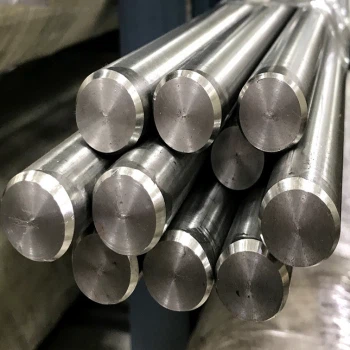

If you're in an industry that requires high - performance materials, I highly recommend considering nickel alloys. Whether you're involved in aerospace, automotive, energy, or any other field where corrosion resistance, high - temperature performance, and strength are crucial, nickel alloys are the way to go.
I'm here as your nickel alloys supplier, ready to provide you with the best products and services. If you're interested in learning more about our nickel alloy offerings or want to start a procurement discussion, don't hesitate to reach out. We can work together to find the perfect nickel alloy solution for your specific needs.
References
- ASM Handbook Volume 2: Properties and Selection: Nonferrous Alloys and Special - Purpose Materials.
- Corrosion Resistance of Nickel and Its Alloys, by L. L. Shreir.
- Nickel - Based Alloys, by F. S. Pettit.
