

Hey there! As a supplier of C68700, I often get asked, "When should C68700 be replaced?" Well, let's dive right into it and break down the key factors that'll help you figure out the right time to swap out your C68700 components.
Understanding C68700
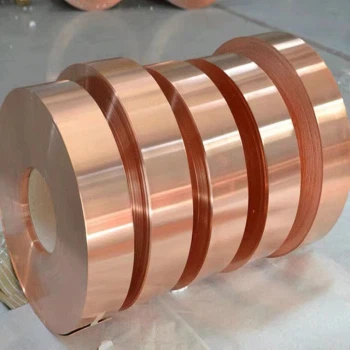
First off, C68700 is a type of copper - nickel - zinc alloy, also known as nickel silver. It's got some great properties like good corrosion resistance, high strength, and excellent formability. That's why it's used in a bunch of different applications, from electrical connectors to decorative items.

Wear and Tear
One of the most obvious signs that it's time to replace C68700 is when it shows signs of wear and tear. Over time, constant use can cause the surface of the C68700 to get scratched, dented, or abraded. For example, if you're using C68700 in a mechanical part that's subject to friction, like a gear or a bearing, the material will gradually wear down. You might notice a decrease in the part's performance, such as increased noise, reduced efficiency, or even a change in its dimensions.
If the wear is too severe, it can compromise the structural integrity of the part. A small crack or a large amount of material loss can lead to the part failing completely. In these cases, it's definitely time to replace the C68700 component before it causes more damage to the overall system.
Corrosion
Corrosion is another major factor to consider. Even though C68700 has good corrosion resistance, it's not immune to it. If the component is exposed to harsh environments, like high - humidity areas, salty air, or chemicals, corrosion can set in.
You might start to see discoloration on the surface of the C68700. It could turn greenish - brown or develop rust - like spots. As corrosion progresses, it can eat away at the material, weakening it. In electrical applications, corrosion can also affect the conductivity of the C68700, leading to poor electrical performance.
If you notice signs of corrosion, you should assess the extent of the damage. In some cases, you might be able to clean and treat the component to slow down the corrosion process. But if the corrosion has penetrated deep into the material, replacement is the best option.
Changes in Performance
Sometimes, the need to replace C68700 becomes evident through changes in the performance of the product or system it's part of. For instance, in electrical connectors made of C68700, you might experience intermittent electrical connections. This could be due to a loss of contact pressure or a change in the surface properties of the connector.
In a decorative application, if the C68700 part starts to lose its luster or develop a dull appearance, it can affect the overall aesthetic of the product. This might be a sign that the material is deteriorating and needs to be replaced.
Technological Advancements
Technology is always evolving, and sometimes, newer materials or designs can offer better performance than C68700. For example, if you're in the electronics industry, you might find that newer alloys like UNS C11000 Copper or C17510 Beryllium Copper offer improved electrical conductivity or mechanical properties.
If your application requires higher performance levels, it might be worth considering replacing your C68700 components with these newer materials. However, you'll need to carefully evaluate the cost - benefit ratio, as these newer materials might be more expensive.
Cost - Benefit Analysis
When deciding whether to replace C68700, you also need to do a cost - benefit analysis. Replacing a component can be costly, not just in terms of the material itself but also in terms of labor and downtime. If the cost of replacement is much higher than the cost of repairing or maintaining the existing C68700 component, and the performance is still acceptable, you might choose to delay the replacement.
On the other hand, if the cost of continued use of the worn - out C68700 component is high, such as increased energy consumption, frequent breakdowns, or potential damage to other parts of the system, then replacement is a smart move.
Regular Inspections
To determine the right time to replace C68700, regular inspections are crucial. By inspecting your C68700 components on a regular basis, you can catch early signs of wear, corrosion, or performance issues. You can use tools like calipers to measure the dimensions of the part, microscopes to check for surface damage, and electrical testers to assess the conductivity.
Create a maintenance schedule for your C68700 components. Depending on the application, you might need to inspect them monthly, quarterly, or annually. Keep records of your inspections, including any findings and the actions taken. This will help you track the condition of the components over time and make informed decisions about replacement.
Conclusion
So, when should C68700 be replaced? It depends on a variety of factors, including wear and tear, corrosion, changes in performance, technological advancements, and cost - benefit analysis. By keeping an eye on these factors and conducting regular inspections, you can ensure that your C68700 components are replaced at the right time, maximizing the performance and lifespan of your products or systems.
If you're in the market for high - quality C68700 or need advice on its replacement, don't hesitate to reach out. We're here to help you make the best decisions for your business.
References
- "Handbook of Copper and Copper Alloys"
- Industry reports on copper - based alloys
- Technical specifications of C68700 and related materials


