

When it comes to selecting stainless steel pipe fittings, there are numerous factors to consider, and every choice involves a series of trade - offs. As a supplier of stainless steel pipe fittings, I've witnessed firsthand the challenges customers face in making the right decisions. In this blog, I'll delve into the key trade - offs that you need to be aware of when choosing these essential components.
1. Cost vs. Quality
One of the most obvious trade - offs is between cost and quality. High - quality stainless steel pipe fittings are typically made from premium materials and manufactured using advanced processes. These fittings offer better corrosion resistance, higher strength, and a longer service life. For instance, stainless steel grades like 316L are known for their excellent resistance to corrosion in harsh environments, such as marine applications. They are less likely to develop rust or corrosion over time, which can prevent leaks and system failures.
However, these high - quality fittings come at a higher price. On the other hand, lower - cost fittings may be made from less - pure stainless steel or use simpler manufacturing techniques. While they can be a more budget - friendly option in the short term, they may not last as long and could require more frequent replacements. This means that in the long run, the total cost of ownership for lower - quality fittings might be higher due to replacement and maintenance expenses.
As a supplier, I often work with customers to find the right balance. For projects with a tight budget, we may recommend more cost - effective options that still meet the basic requirements. But for critical applications where reliability is paramount, investing in high - quality fittings is usually the best choice.
2. Corrosion Resistance vs. Strength
Stainless steel pipe fittings are available in different grades, each with its own characteristics in terms of corrosion resistance and strength. Some grades, like ASTM A403 Stainless Steel Pipe Fittings, are designed primarily for their corrosion - resistant properties. They are ideal for applications where the fittings will be exposed to corrosive substances, such as chemicals or saltwater.
On the other hand, grades like ASTM A182 Stainless Steel Pipe Fittings are known for their high strength. These fittings can withstand higher pressures and mechanical stresses, making them suitable for applications in high - pressure systems, such as oil and gas pipelines.
The trade - off here is that increasing corrosion resistance often comes at the expense of strength, and vice versa. For example, adding certain alloying elements to enhance corrosion resistance can sometimes reduce the overall strength of the stainless steel. When choosing fittings, you need to assess the specific requirements of your application. If corrosion is the main concern, prioritize corrosion - resistant grades. But if the system will be subjected to high pressures, strength should be your primary consideration.
3. Standardization vs. Customization
Standard stainless steel pipe fittings are widely available and conform to industry standards such as ASTM. These fittings are mass - produced, which means they are generally more affordable and have shorter lead times. They also offer the advantage of interchangeability, making it easier to replace or repair fittings in the future. For example, ASTM A815 Stainless Steel Pipe Fittings follow specific dimensional and quality standards, ensuring compatibility with other components in the system.
However, standard fittings may not always meet the unique requirements of every project. In some cases, you may need customized fittings to fit specific design or performance criteria. Customization allows you to get fittings with exact dimensions, special coatings, or unique shapes. But this comes with a higher cost and longer lead times. The manufacturing process for custom - made fittings is more complex and requires additional resources.
As a supplier, we offer both standard and custom - made stainless steel pipe fittings. We work closely with customers to understand their needs and determine whether standard fittings can be adapted or if custom solutions are necessary.
4. Aesthetics vs. Functionality
In some applications, the appearance of the stainless steel pipe fittings is also a consideration. For architectural or decorative purposes, smooth, polished fittings can enhance the overall look of a building or a system. These aesthetically pleasing fittings are often used in visible areas, such as in commercial buildings or high - end residential projects.
However, achieving a high - quality finish can add to the cost of the fittings. Moreover, the processes used to create a smooth and shiny surface may not always be the most efficient in terms of functionality. For example, some polishing processes can reduce the thickness of the fitting wall, which might slightly affect its strength.
In industrial applications, functionality usually takes precedence over aesthetics. Fittings are chosen based on their performance and durability rather than their appearance. But in cases where both aesthetics and functionality are important, we can work with customers to find a solution that meets both requirements.
5. Environmental Impact vs. Performance
In today's environmentally conscious world, the environmental impact of stainless steel pipe fittings is also a factor to consider. Stainless steel is a recyclable material, which is a positive aspect from an environmental perspective. However, the production process of stainless steel can be energy - intensive and may generate some emissions.
Some manufacturers are now focusing on developing more sustainable production methods to reduce the environmental footprint of their products. For example, using recycled stainless steel in the manufacturing process can significantly reduce energy consumption and waste.

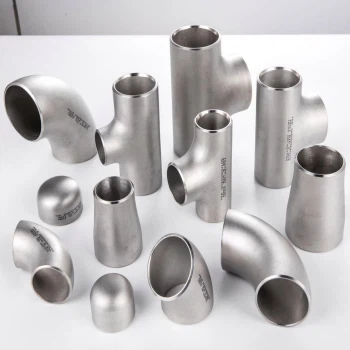
On the other hand, you need to ensure that the environmental - friendly options still meet the performance requirements of your project. There may be a trade - off between the level of environmental friendliness and the performance of the fittings. For instance, some recycled stainless steel may have slightly different properties compared to virgin stainless steel, which could affect the corrosion resistance or strength of the fittings.
Conclusion
Choosing the right stainless steel pipe fittings involves a careful consideration of multiple trade - offs. There is no one - size - fits - all solution, and the best choice depends on the specific requirements of your project. As a supplier, I'm here to help you navigate these trade - offs and make an informed decision. Whether you need high - quality, cost - effective, customized, or environmentally friendly fittings, we have the expertise and the products to meet your needs.
If you're in the process of selecting stainless steel pipe fittings for your project, I encourage you to reach out to us. Our team of experts can provide detailed information, answer your questions, and assist you in finding the perfect fittings for your application. Let's work together to ensure the success of your project.
References
- ASM Handbook Committee. (2004). ASM Handbook Volume 13A: Corrosion: Fundamentals, Testing, and Protection. ASM International.
- ASTM International. (2021). ASTM Standards for Stainless Steel Pipe Fittings. ASTM International.


