

Replacing a damaged stainless steel pipe fitting is a task that requires careful planning, the right tools, and a clear understanding of the process. As a trusted stainless steel pipe fittings supplier, we're here to guide you through this process step by step. In this blog, we'll cover everything from identifying the problem to completing the replacement, ensuring your piping system is back in top working condition.
Identifying the Damaged Fitting
The first step in replacing a damaged stainless steel pipe fitting is to accurately identify the problem area. Inspect the entire piping system thoroughly for signs of damage such as leaks, corrosion, or physical deformation. Leaks can often be detected by the presence of water stains or the sound of hissing air. Corrosion may appear as discoloration or pitting on the surface of the fitting. Physical deformation, like cracks or bends, can be visually obvious.
Once you've located the damaged fitting, take note of its size, type, and the specific ASTM standard it adheres to. This information is crucial for selecting the correct replacement fitting. For example, you might be dealing with ASTM A403 Stainless Steel Pipe Fittings, ASTM A815 Stainless Steel Pipe Fittings, or ASTM A182 Stainless Steel Pipe Fittings. Each ASTM standard has its own set of specifications regarding material composition, dimensions, and performance requirements.
Gathering the Necessary Tools and Materials
After identifying the damaged fitting, gather all the tools and materials you'll need for the replacement process. The basic tools typically include a pipe cutter, a pipe wrench, a hacksaw, a file, and a measuring tape. Make sure the pipe cutter is suitable for the diameter of the stainless steel pipe you're working with.
In addition to the tools, you'll need the replacement fitting. Choose a fitting that matches the size, type, and ASTM standard of the damaged one. Ensure that the new fitting is made from high - quality stainless steel to guarantee long - term durability. You may also need pipe sealant or Teflon tape to create a watertight seal between the fitting and the pipe.
Shutting Off the Supply
Before you start any work on the piping system, it's essential to shut off the supply of water or gas. For water systems, locate the main shut - off valve and turn it to the closed position. This will prevent water from flowing through the pipes while you're making the replacement. In the case of gas systems, contact your local gas company or a professional plumber to properly shut off the gas supply. Working on a live gas line can be extremely dangerous and is not recommended for inexperienced individuals.
Removing the Damaged Fitting
Once the supply is shut off, it's time to remove the damaged fitting. First, use a pipe wrench or a pair of adjustable pliers to loosen the fitting from the pipes. Be careful not to apply too much force, as this could cause damage to the surrounding pipes. If the fitting is stuck, you may need to use a lubricant such as penetrating oil and let it sit for a few minutes to loosen the connection.

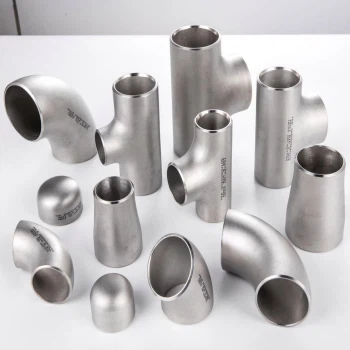
After loosening the fitting, use a pipe cutter or a hacksaw to remove the damaged section. Make a clean, straight cut to ensure a proper fit with the new fitting. Use a file to smooth the edges of the cut pipe to remove any burrs or rough spots.
Preparing the New Fitting
Before installing the new fitting, inspect it carefully for any defects or damage. Check the inside and outside surfaces for scratches, cracks, or other imperfections. If the fitting has any threads, apply a small amount of pipe sealant or wrap Teflon tape around the threads in a clockwise direction. This will help create a tight seal and prevent leaks.
Measure the length of the removed section of pipe and ensure that the new fitting is the correct size. If necessary, cut the new fitting to the appropriate length using a pipe cutter or a hacksaw.
Installing the New Fitting
Slide the new fitting onto the pipes, making sure it aligns properly with the existing piping system. Use a pipe wrench to tighten the fitting gently, but avoid over - tightening as this can damage the fitting or the pipes. Check for any signs of misalignment or leaks as you tighten the fitting.
Once the fitting is securely in place, turn on the supply of water or gas slowly. Check the connection for leaks by looking for any signs of water or gas seepage. If you detect a leak, turn off the supply immediately and re - check the tightness of the fitting. You may need to add more pipe sealant or adjust the alignment of the fitting.
Post - Installation Checks
After the replacement is complete and there are no visible leaks, perform a final check of the entire piping system. Look for any changes in pressure or flow rates, as these could indicate a problem with the installation. Run water through the pipes or test the gas system to ensure normal operation.
Quality and Assurance from Our Supplier
As a stainless steel pipe fittings supplier, we take pride in offering a wide range of high - quality fittings that meet various ASTM standards. Our ASTM A403 Stainless Steel Pipe Fittings, ASTM A815 Stainless Steel Pipe Fittings, and ASTM A182 Stainless Steel Pipe Fittings are manufactured to the highest quality standards, ensuring reliability and durability in your piping systems.
We understand that every project has unique requirements, and our team of experts is ready to assist you in selecting the right fitting for your specific needs. Whether you're dealing with a small residential plumbing repair or a large - scale industrial piping system, we have the products and knowledge to support your project.
Why Choose Our Stainless Steel Pipe Fittings
- Corrosion Resistance: Stainless steel is known for its excellent corrosion resistance, making our fittings suitable for a wide range of environments, including those exposed to water, chemicals, and harsh weather conditions.
- High Strength: Our stainless steel pipe fittings offer high strength and durability, ensuring long - term performance and reliability.
- Compliance with Standards: All our products comply with relevant ASTM standards, guaranteeing that you're getting a product that meets strict industry requirements.
Contact Us for Your Next Purchase
If you're in need of stainless steel pipe fittings for your next project or replacement job, don't hesitate to reach out to us. We're committed to providing you with the best products and customer service. Whether you have questions about product specifications, installation, or need help selecting the right fitting, our team is here to assist you. Start your next project with confidence by choosing our high - quality stainless steel pipe fittings.
References
- "Stainless Steel Piping Systems Handbook" - A comprehensive guide on stainless steel piping systems, covering installation, maintenance, and troubleshooting.
- ASTM International standards documents for A403, A815, and A182, providing detailed specifications for stainless steel pipe fittings.


