

Struggling to choose between 410 and 304 stainless steel? This guide provides a clear comparison table and detailed scenario analysis, highlighting the core differences in corrosion resistance, magnetism, strength, and price. It will help you make the most economical and suitable choice for your specific application, whether for cutlery, kitchen equipment, outdoor decor, and more.
What is the difference between 401 and 304 stainless steel?
In the world of metallic materials, Grades 410 and 304 stainless steel are two common contenders, yet they possess distinct characteristics and serve different purposes. Selecting the wrong material can lead to rust, component failure, and unnecessary costs. Understanding their fundamental differences is critical.
Core Differences at a Glance
|
Characteristic |
Stainless Steel 410 |
Stainless Steel 304 |
|
Material Type |
Martensitic Stainless Steel |
Austenitic Stainless Steel |
|
Corrosion Resistance |
Moderate |
Excellent |
|
Magnetism |
Magnetic |
Typically Non-Magnetic (may become slightly magnetic after cold working) |
|
Mechanical Properties |
High Strength, High Hardness, Wear-Resistant |
Good Ductility and Toughness, Excellent Formability |
|
Key Attributes |
Can be hardened via heat treatment |
Excellent Weldability and Drawability |
|
Price |
Relatively Lower |
Relatively Higher |
|
Common Applications |
Cutlery, Blades, Bearings, Valve Parts, Pump Shafts |
Kitchen Sinks, Utensils, Appliances, Medical Instruments, Architectural Trim |
In-Depth Analysis: Why These Differences Exist?
1.Corrosion Resistance: Determines the Service Environment
304 Stainless Steel: Contains higher levels of Chromium (Cr) and Nickel (Ni), which form a stable, passive layer that effectively resists corrosion from water, atmosphere, acids, and alkalis. This is why it is considered "food-grade" and a "general-purpose" stainless steel.
410 Stainless Steel: Contains very low or no nickel. Its corrosion resistance relies primarily on chromium, making its passive layer less stable and more susceptible to breakdown in humid, high-salinity, or chemically aggressive environments. Its rust resistance is significantly lower than 304.
2. Magnetism: A Simple Identification Method
410 Stainless Steel: Its martensitic crystal structure makes it inherently magnetic. A magnet will stick strongly to it.
304 Stainless Steel: Its austenitic structure is non-magnetic in the annealed condition. However, it's important to note that cold working (e.g., cutting, bending) can induce a slight magnetic response in localized areas.
3. Mechanical Properties & Processing
410 Stainless Steel: Similar to steel, it can be significantly hardened and strengthened through heat treatment processes like quenching and tempering. This makes it ideal for components requiring high wear resistance and load-bearing capacity.
304 Stainless Steel: Noted for its exceptional ductility and toughness, it is ideally suited for cold forming processes such as deep drawing, bending, and welding, allowing it to be easily formed into complex shapes.
4. Price: Balancing Cost and Performance
304 Stainless Steel typically commands a higher price than 410 due to its higher nickel content and more demanding smelting requirements. Selection must balance initial cost against long-term service life and maintenance expenses.
How to Choose: Application-Based Selection
Choose 410 Stainless Steel when your primary needs are:
High Hardness and Wear Resistance: Such as in knives, blades, bearings, valve components, and pump shafts.
Structural Integrity in Dry Environments: For high-strength structural parts used in low-corrosion environments.
Cost-Effectiveness where Corrosion Resistance is Secondary: It is a more budget-friendly option where the risk of corrosion is minimal.
Choose 304 Stainless Steel when your primary needs are:
Superior Corrosion Resistance: For applications like kitchen sinks, tableware, cookware, appliance liners, and outdoor architectural trim.
Food-Grade or Medical Contact: Due to its non-toxicity, ease of cleaning, and hygiene, it is widely used in food processing, medical devices, and the catering industry.
Complex Forming Requirements: Such as components requiring deep-drawing, like pots and sinks.
Non-Magnetic Properties: For applications sensitive to magnetism, like certain electronic instruments or scientific equipment.
Quality Assurance
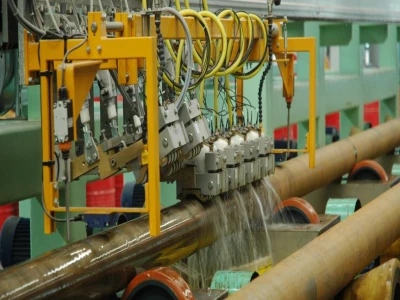
Material Traceability: All 304/430 stainless steel stocks come with complete mill test certificates (MTCs) verifying chemical composition and mechanical properties against ASTM A240/A480 specifications
Technical Expertise: Our metallurgical specialists provide application-focused guidance, helping you optimize material selection for performance and cost-effectiveness
Quality Verification: We support third-party testing and provide material samples for your evaluation
Supply Reliability: Maintain strategic inventory of both grades to ensure consistent supply and timely delivery
Conclusion
There is no universally "better" material, only the "more suitable" choice.
For superior durability and rust prevention in food, medical, or humid environments, 304 Stainless Steel is your reliable choice.
For superior edge retention, wear resistance, and high hardness in tools or mechanical components for dry environments, 410 Stainless Steel offers greater cost-effectiveness.
We hope this detailed guide helps you clearly distinguish between 410 and 304 stainless steel, enabling the most informed decision for your project. Should you have further questions regarding specific applications, Contact Us Today for Material selection consultation now.
WhatsApp: 8613468954786
Email: baohui@bhsteelpipe.com


